
The Dabbler’s Guide to Witchcraft
Embark on a journey into the mystical arts! This guide unveils witchcraft’s diverse practices, from historical roots to modern spells, offering a beginner’s pathway.
What is Witchcraft? A Modern Definition
Witchcraft, in its contemporary form, is a remarkably broad spectrum of spiritual and magical practices. It’s a path that often involves harnessing natural energies, working with intention, and connecting with the unseen realms. Unlike historical portrayals, modern witchcraft isn’t necessarily about bubbling cauldrons or evil spells; it’s frequently a deeply personal and empowering practice.
Today’s witches draw from diverse traditions, including folklore, herbalism, and various pagan beliefs. It’s about recognizing the inherent power within oneself and the world around us, and learning to consciously direct that energy. Witchcraft is a practice, not a rigid religion, allowing for immense personal freedom and customization. It’s a way to actively participate in shaping one’s reality through focused will and mindful action, embracing a connection to nature and the cycles of life.
Historical Roots of Witchcraft
The story of witchcraft is deeply interwoven with the fabric of human history, stretching back millennia. Early roots lie in ancient folk practices – healing, divination, and working with local spirits – often performed by those knowledgeable in herbalism and natural lore. These traditions weren’t initially viewed with suspicion, but rather as integral parts of community life.
However, as societal structures shifted and religious doctrines solidified, these practices began to be demonized. The medieval and early modern periods witnessed widespread witch hunts, fueled by fear, superstition, and political agendas. The infamous trials, like those at Warboys, represent a dark chapter, showcasing the devastating consequences of mass hysteria and persecution. Understanding this history is crucial, acknowledging the pain and injustice suffered by those falsely accused, and separating historical trauma from modern practice.
The Evolution of Witchcraft Through Time
Witchcraft hasn’t remained static; it’s a constantly evolving spiritual path. Following the decline of the witch trials, interest in magical practices persisted, often hidden or practiced in secret. The 19th and 20th centuries saw a resurgence, fueled by Romanticism, occult revivals, and a growing interest in paganism.
This led to the development of modern witchcraft traditions, most notably Wicca, which emphasized reverence for nature, deity worship, and ethical magical practice. Today, witchcraft encompasses a vast spectrum of approaches – from traditional Wiccan paths to eclectic styles like kitchen witchcraft, green witchcraft, and crystal witchcraft. This diversity reflects a continuing adaptation and personalization of ancient practices, responding to contemporary needs and beliefs. It’s a practice, not a personality test, emphasizing safety, intention, and accessible rituals.
Witchcraft vs. Wicca: Understanding the Difference
Often used interchangeably, witchcraft and Wicca are distinct, though related, concepts. Witchcraft is the broader, older term encompassing a wide range of magical practices and beliefs, stretching back centuries. It’s a practice – the act of working with energy and intention to create change.
Wicca, however, is a specific religion that developed in the mid-20th century. It’s a duotheistic religion, typically revering a God and a Goddess, and incorporates a specific ethical code (the Wiccan Rede). Not all witches are Wiccan, and not all Wiccans identify primarily as witches. One can practice witchcraft outside of the Wiccan religious framework, drawing from diverse traditions and personal beliefs. Understanding this distinction is crucial for navigating the world of modern magical practice.
Core Principles for the Budding Witch
Intent, ethics, and safety are paramount. Grounding, centering, and responsible practice form the foundation for a fulfilling and empowered magical journey.
The Importance of Intention in Practice
Intention is the cornerstone of effective witchcraft. Before embarking on any magical work, clearly define your desired outcome. What do you hope to achieve with your spell or ritual? A vague intention yields unpredictable results, while a focused, well-defined intention amplifies your magical power.
Consider the nuances of your desire. Is it aligned with your highest good and the good of others? Witchcraft operates on the principle of energy exchange; what you send out returns to you. A spell cast with selfish or harmful intent can have unintended consequences.
Visualize your desired outcome with clarity and emotion. Feel the joy, peace, or abundance you wish to manifest. This emotional resonance imbues your intention with potent energy, directing it towards its target. Remember, intention isn’t just about what you want, but why you want it.
Ethics and Responsibility in Witchcraft
Witchcraft carries inherent responsibility. It’s crucial to approach practice with a strong ethical framework, understanding the potential impact of your actions. The principle of “harm none” is central, urging practitioners to avoid spells intended to manipulate or control others against their will.

Consider the consequences of your magic. Even seemingly benign spells can have ripple effects. Respect free will and avoid interfering with another’s life path. Self-awareness is key; examine your motivations and ensure they align with integrity.
Witchcraft isn’t about wielding power over others, but about empowering yourself and manifesting positive change. Be accountable for your actions and learn from any unintended outcomes. Ethical practice fosters growth and strengthens your connection to the magical world.
Safety First: Protecting Yourself Energetically
Energetic protection is paramount in witchcraft. When working with magical energies, you open yourself to various influences. Grounding and centering techniques – visualizing roots extending from your feet, or focusing on your breath – are essential for maintaining stability and preventing energy drain.
Shielding involves creating a protective barrier around your aura. Visualize a bubble of white light, or use protective crystals like black tourmaline. Regularly cleanse your energy with sage, salt water, or sound to remove negativity.
Be mindful of the energies you invite into your space. Research entities or spirits before working with them, and always establish clear boundaries. Trust your intuition; if something feels off, discontinue the practice. Prioritize your well-being and practice responsible magic.
Essential Tools & Their Uses
Discover the implements of the craft! Altars, herbs, and crystals amplify intention, aiding spellwork and divination, connecting you to the magical world.
Building Your First Altar
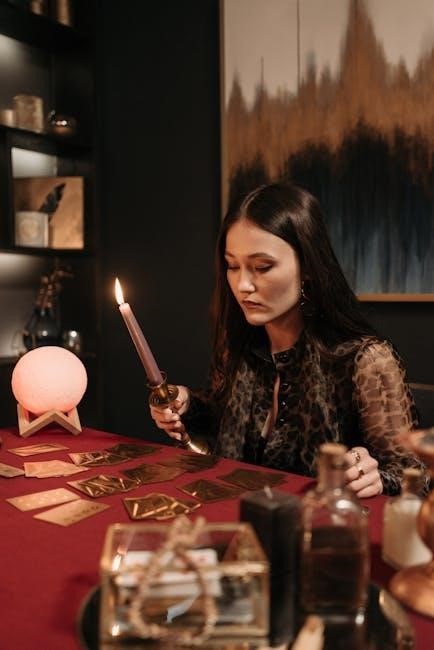
Creating a sacred space is fundamental. Your first altar doesn’t require extravagance; simplicity and personal meaning are key. Begin with a dedicated surface – a small table, shelf, or even a cloth-covered area will suffice. Consider the elements: Earth (stones, plants), Air (incense, feathers), Fire (candles, lamps), and Water (a bowl of water, shells).
These represent the foundational energies you’ll be working with. Add items that resonate with your practice – crystals, herbs, meaningful objects, or representations of deities. Arrange them intuitively, allowing the space to feel balanced and harmonious. Remember, an altar is a dynamic space; feel free to adjust it as your practice evolves and your needs change. It’s a reflection of you and your connection to the craft.
Herbs & Correspondences: A Beginner’s Guide
Harnessing the power of the natural world is central to witchcraft. Herbs possess unique energies and correspondences, linking them to specific intentions and magical workings. Rosemary, for example, is associated with remembrance, protection, and purification. Lavender promotes peace, sleep, and psychic awareness. Mint encourages prosperity and healing.
Understanding these connections allows you to incorporate herbs into spells, potions, and rituals. Begin with a few common herbs and research their properties thoroughly. Consider their planetary associations, elements, and deities they align with. Use herbs respectfully, acknowledging their inherent power. You can use them in teas, incense, sachets, or directly in spellwork, always with clear intention and mindful practice.
Crystals for Witchcraft: Properties & Uses
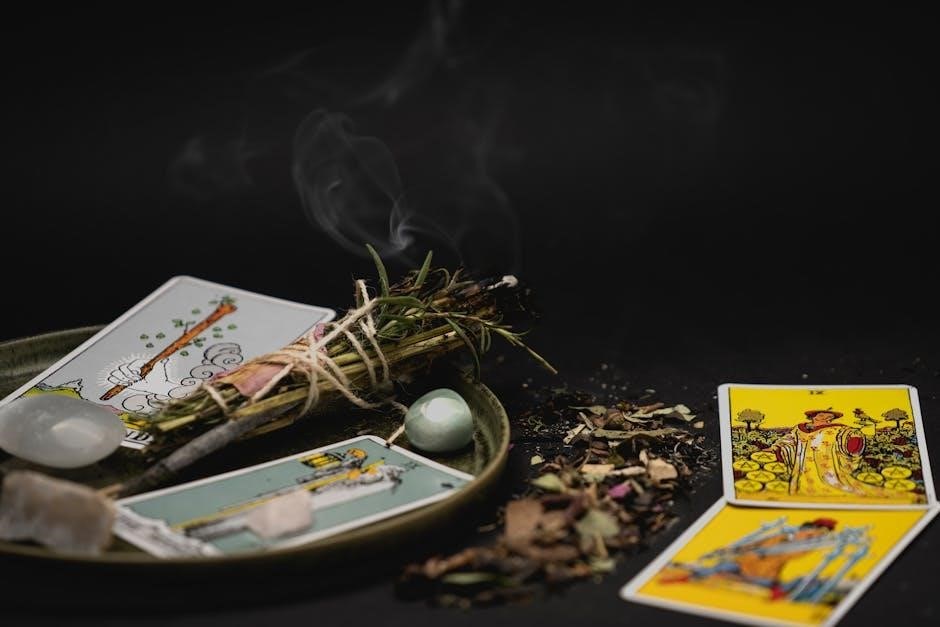
Crystals are potent tools for amplifying energy and intention in witchcraft. Each crystal vibrates with a unique frequency, offering diverse properties for spellwork and spiritual growth. Clear Quartz is a master healer and amplifier, enhancing the effects of other crystals. Amethyst promotes intuition, psychic abilities, and spiritual connection. Rose Quartz embodies love, compassion, and emotional healing.
Begin by cleansing your crystals – methods include moonlight, sunlight, or smudging with sage. Program them with your intention by holding them and visualizing your desired outcome. Incorporate crystals into your altar, carry them during rituals, or use them in crystal grids. Remember to research each crystal’s specific properties and choose those that resonate with your magical goals.

Basic Practices to Get Started
Dive into practical witchcraft with grounding, centering, and spellcasting! Begin with simple rituals, focusing on intention and safety for effective results.
Spellcasting 101: Simple Spell Structure
Beginner spellcasting centers around focused intention. Clearly define your desired outcome – what change do you wish to manifest? A basic spell structure involves three key phases: intention setting, energy raising, and release.
First, articulate your goal with precision. Second, raise energy through visualization, chanting, or focused breathing. This energy acts as the fuel for your spell. Finally, release the energy, visualizing your intention already manifested.
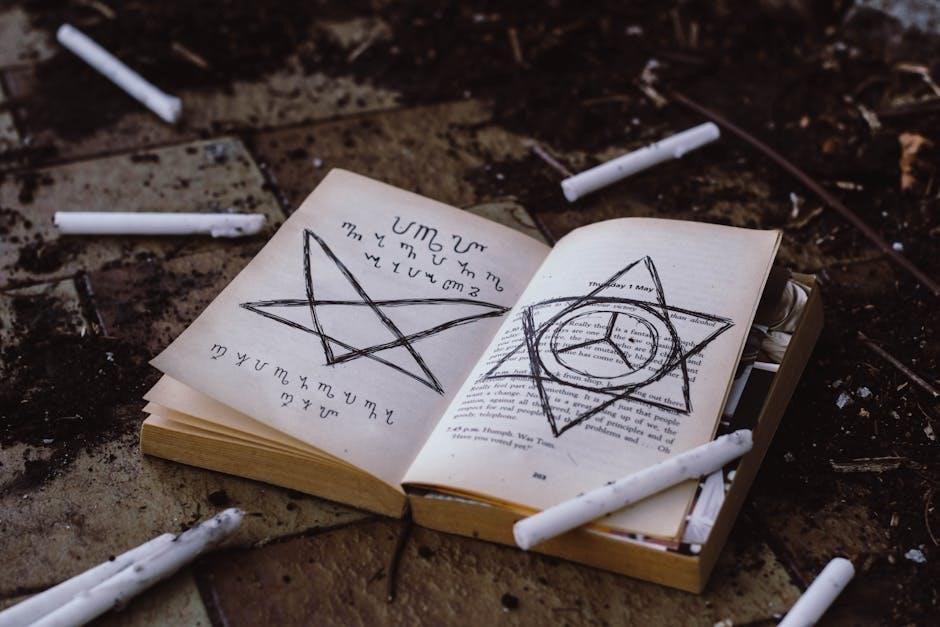
Simple spells can utilize readily available items – herbs, candles, or crystals – as focal points. Remember, the power resides within you, not the tools themselves. Start small, practice consistently, and always approach spellwork with respect and ethical consideration. Documenting your spells in a grimoire helps track results and refine your craft.
Divination for Beginners: Methods & Interpretation
Divination is the art of seeking insight through supernatural means. Numerous methods exist, offering pathways to connect with intuition and unseen forces. Popular beginner techniques include tarot, pendulums, and scrying (using reflective surfaces like water or mirrors).
When starting, choose a method that resonates with you. Tarot involves interpreting card symbolism based on spreads and questions. Pendulums respond to energy, indicating ‘yes’ or ‘no’ through their swing. Scrying requires focused meditation and observation of emerging images.
Interpretation is key. Don’t seek literal predictions; focus on symbolic meaning and intuitive impressions. Keep a divination journal to record your readings and track patterns. Practice regularly to hone your skills and develop a deeper understanding of the messages received.
Grounding and Centering Techniques
Before any magical work, grounding and centering are essential. Grounding connects you to the Earth’s energy, stabilizing and preventing overwhelm. Centering brings focus to your core, enhancing intention and clarity.
Simple grounding techniques include visualization – imagine roots extending from your feet into the earth. Deep breathing exercises, focusing on the sensation of your breath, also work effectively. Spend time in nature, physically connecting with the earth.
Centering can be achieved through meditation, focusing on your breath or a specific energy point (like your solar plexus). Visualize a bright light within your core, expanding outwards. Regular practice builds energetic resilience and ensures safe, focused magical practice.
Exploring Different Paths of Witchcraft
Discover diverse magical avenues! From kitchen and green witchcraft to crystal practices, find the path resonating with your spirit and interests.
Kitchen Witchcraft: Magic in the Everyday
Embrace the enchantment woven into daily routines! Kitchen witchcraft centers around imbuing everyday tasks – cooking, baking, preserving – with intention and magical energy. It’s a deeply accessible path, requiring no elaborate rituals or expensive tools.
Consider your ingredients as more than just sustenance; each herb, spice, and fruit carries inherent properties and correspondences. Stirring a pot clockwise can draw energy in, while counter-clockwise disperses it.
Simple acts like blessing your food with gratitude, crafting herbal teas for specific needs, or baking a cake with a desired outcome in mind are all forms of kitchen magic. It’s about honoring the cycles of nature and infusing your home with positive vibrations through the heart of the hearth.
Green Witchcraft: Connecting with Nature
Root yourself in the earth’s wisdom! Green witchcraft is a path deeply intertwined with the natural world, honoring the cycles of the seasons and the power of plants. It’s about fostering a reciprocal relationship with nature, learning from its rhythms, and utilizing its gifts responsibly.
This practice often involves herbalism, gardening, foraging, and working with the energies of trees, flowers, and stones. Understanding plant correspondences – which plants align with specific intentions – is key.
Green witches often create their own remedies, tinctures, and oils, drawing upon the healing properties of the earth. It’s a path of reverence, sustainability, and a profound connection to the living world around us, recognizing nature as a powerful ally.
Crystal Witchcraft: Harnessing Crystal Energies
Unlock the power held within the earth! Crystal witchcraft centers around utilizing the unique vibrational energies of crystals to amplify intentions and manifest desired outcomes. Each crystal possesses distinct properties, influencing areas like love, healing, protection, and abundance.
Beginners can start by learning the basic correspondences – for example, rose quartz for love, amethyst for intuition, and black tourmaline for protection. Crystals can be used in spellwork, meditation, carried as talismans, or placed on the body for healing.
Cleansing and charging crystals regularly is crucial to maintain their potency. This can be done through moonlight, sunlight, or smudging. Crystal witchcraft is a beautiful way to connect with the earth’s energy and enhance your magical practice.

Understanding Darker Aspects
Proceed with caution and respect! Explore the complexities of curses, hexes, and negative energies, understanding their history and ethical implications within witchcraft.
Curses, Hexes, and Maleficium: A Cautionary Note
Delving into the realm of baneful magic requires immense responsibility and a deep understanding of its consequences. Historically, witchcraft was often associated with causing harm – termed cursing, hexing, bewitchment, or maleficium. While modern witchcraft often emphasizes positive work, acknowledging the potential for darker practices is crucial.
Consider the ethical implications carefully. Sending negative energy outwards invariably returns threefold, impacting the sender. Even with justified anger, inflicting harm rarely provides lasting resolution. Focus instead on protection and banishing negativity, rather than actively directing it towards another.
Understand the weight of your actions. Maleficium isn’t simply about “getting even”; it’s about manipulating energies with potentially devastating results. Approach this area with reverence, caution, and a firm commitment to ethical practice, or avoid it altogether.
Dealing with Negative Energy
Exposure to negative energy is inevitable, both from external sources and as a result of your own magical work. Learning to identify and dispel it is paramount for energetic wellbeing and effective practice. Recognize symptoms like fatigue, unexplained mood swings, or a feeling of being “drained.”
Several techniques can offer protection. Grounding – visualizing roots extending from your feet into the earth – anchors your energy. Shielding involves creating a protective bubble of white light around yourself. Smudging with sage or palo santo cleanses spaces and auras.
Regular energetic hygiene is essential. Salt baths, meditation, and spending time in nature are restorative practices. Remember, protecting yourself isn’t selfish; it allows you to continue your work with clarity and strength.
The History of Witch Trials & Persecution (e.g., Warboys)
Understanding the dark chapters of witchcraft’s past is crucial, serving as a potent reminder of the dangers of fear and misinformation. From the 15th to 18th centuries, Europe and its colonies witnessed widespread witch hunts, fueled by religious extremism and societal anxieties.
The case of Warboys, England, stands out for its dramatic accusations and spectral evidence. In 1645, a group of children accused several villagers of witchcraft, leading to trials and executions based on their testimonies. This exemplifies how easily hysteria could take hold.
These persecutions weren’t solely about magic; they were about power, control, and scapegoating. Remembering this history fosters respect for the resilience of those accused and encourages vigilance against prejudice today.
Resources for Continued Learning
Expand your knowledge! Create a personal grimoire, join a community, and delve deeper into witchcraft’s rich tapestry of lore and practice.
Creating Your Own Grimoire
A grimoire is your personal book of shadows, a sacred record of your witchcraft journey. Begin with a blank journal – any size or binding will do! Don’t feel pressured for perfection; it’s a living document evolving with your practice.
Start by documenting your intentions, spells cast, and their outcomes. Include herbal correspondences, crystal properties, and divination interpretations. Record your personal experiences, dreams, and insights.
Organize it in a way that resonates with you – chronologically, by topic, or magically. Illustrate with drawings, pressed flowers, or sigils. Remember, a grimoire isn’t about copying others; it’s about capturing your unique connection to the craft. It’s a testament to your growth and a powerful tool for future workings.
Finding a Witchcraft Community
Connecting with like-minded individuals can profoundly enrich your witchcraft practice. However, proceed with discernment! Online forums, social media groups, and local covens offer opportunities for learning and support, but not all spaces are created equal.
Look for communities emphasizing respect, ethical practice, and inclusivity. Observe the group dynamics before fully engaging. Are questions welcomed? Is there a focus on empowerment rather than hierarchy?
Local metaphysical shops often host workshops and gatherings. Consider attending to meet practitioners in person. Remember, a good community should uplift and inspire you, fostering growth and a sense of belonging. Trust your intuition – if a space feels off, it’s okay to move on and seek a better fit.