
Understanding Fishing Hook Sizes
Hook size charts are essential tools for anglers, providing a standardized reference for selecting the appropriate hook based on target species and bait presentation.
These charts simplify the process, ensuring secure hooksets and maximizing fishing success, especially when dealing with varying regulations and hook types.
What Hook Size Charts Are & Why You Need One
Hook size charts are visual guides that correlate hook sizes – expressed as numbers or “oughts” – with approximate dimensions and suitable applications. They’re invaluable because hook sizes aren’t universally standardized; a size 4 from one manufacturer might differ slightly from another.
You need a chart to ensure you’re matching the hook to your bait and the fish’s mouth size. Too small, and the fish might throw the hook; too large, and it might not take the bait naturally. Charts also help navigate local regulations, particularly regarding barbless hooks in protected waters.
Accessing resources like downloadable PDFs (available online) allows for convenient field reference, ensuring you’re prepared with the correct hook size regardless of location or conditions. Knowing this information will improve your fishing experience!
Hook Size Nomenclature: Numbers, Oughts, and Wire Gauge
Hook sizes are indicated using a seemingly complex system of numbers and “oughts” (0). Smaller hooks are designated by larger numbers (e.g., size 1, 2, 4), while larger hooks use “oughts” (e.g., 1/0, 2/0, 3/0). The larger the “ought” number, the bigger the hook. This system evolved to accommodate the wide range of hook sizes needed for diverse fishing scenarios.
Beyond size, wire gauge is crucial. It refers to the thickness of the wire used to make the hook. A higher gauge number indicates a thinner wire, suitable for smaller fish and delicate baits. Conversely, lower gauge numbers signify thicker, stronger wire for larger species.
Understanding these terms, often detailed in hook size charts, is vital for selecting the appropriate hook for optimal performance and a successful catch.

Freshwater Fishing Hook Size Guide
Freshwater fishing demands varied hook sizes, dictated by species. Charts help match hook to fish mouth size and bait, improving hookup ratios and angler success.
Hook Sizes for Trout & Panfish
For trout and panfish, finesse is key, demanding smaller hook sizes to avoid spooking these often wary fish. Generally, sizes #12 to #16 are excellent choices for panfish like bluegill and crappie, especially when using small live baits like waxworms or mealworms.
Trout fishing often requires a slightly larger range, typically #10 to #14, depending on the bait and the size of the trout you’re targeting. When fly fishing for trout, hook sizes can range even smaller, down to #18 or #20 for delicate dry fly presentations. Remember that smaller hooks are less visible to the fish, increasing your chances of a strike. Utilizing hook size charts specific to freshwater species will refine your selection process, ensuring optimal presentation and improved catch rates.
Hook Sizes for Bass Fishing
Bass fishing necessitates a versatile range of hook sizes, dictated by the chosen bait and fishing technique. For Texas rigs and Carolina rigs, sizes 3/0 to 5/0 are common, providing sufficient strength for penetrating the bass’s tough mouth. When using smaller finesse baits like drop shots or shaky heads, sizes 1/0 to 3/0 are preferred for a more natural presentation.
Topwater lures often utilize larger hook sizes, such as 2/0 or 3/0, to ensure a solid hookset on explosive strikes. Crankbaits typically employ sizes 4 to 6. Consulting a detailed hook size chart tailored for bass fishing will help you match the hook to your bait and presentation, maximizing your hookup ratio and landing more fish.
Hook Sizes for Catfish & Carp
Catfish and carp fishing demands robust hooks capable of handling significant weight and powerful runs. Circle hooks are highly recommended, particularly for catfish, in sizes ranging from 2/0 to 8/0, depending on the target species and bait size. Larger channels and blues benefit from 5/0 to 8/0 hooks, while smaller catfish and carp can be targeted with 2/0 to 4/0.
For carp, particularly when hair-rigging, sizes 6 to 10 are frequently used. A reliable hook size chart will illustrate the correlation between hook size, wire gauge, and recommended bait types. Prioritize strong, sharp hooks to ensure a secure hold during prolonged fights with these powerful fish.
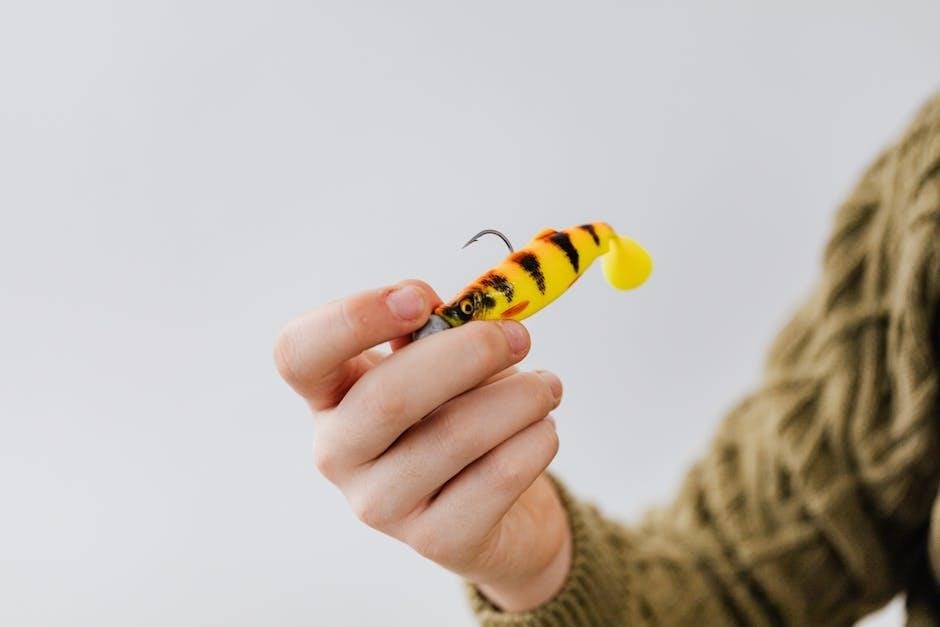
Saltwater Fishing Hook Size Guide
Saltwater species require heavier-gauge hooks due to their strength and corrosive environments; charts differentiate sizes for inshore and offshore pursuits, ensuring optimal hooksets.
Hook Sizes for Inshore Saltwater Species (Redfish, Snook, Flounder)
For inshore species like redfish, snook, and flounder, hook sizes generally range from 1/0 to 4/0. Smaller redfish and flounder often respond well to 2/0 or 3/0 circle hooks, promoting clean lip hooks. Snook, known for their sharp teeth, benefit from slightly larger, stronger 3/0 to 4/0 hooks to prevent straightening.
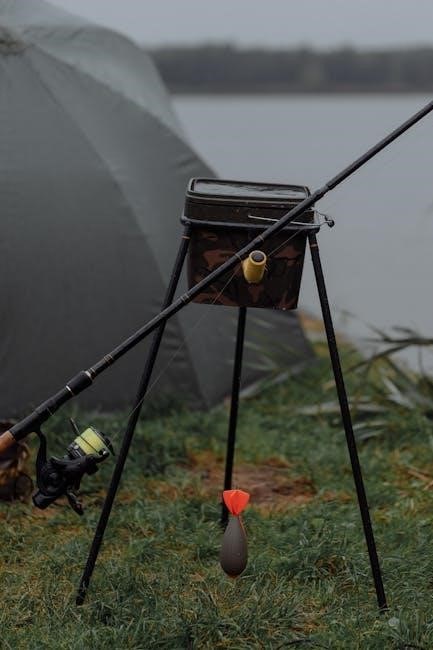
When targeting these species with live shrimp or smaller baitfish, a 2/0 or 3/0 J-hook can be effective. However, circle hooks are increasingly favored for their catch-and-release benefits. Remember to consider leader size; a smaller leader paired with a smaller hook improves presentation. Always check local regulations regarding hook size and barbless requirements, as these can vary significantly.
Hook Sizes for Offshore Saltwater Species (Tuna, Marlin, Sailfish)
Offshore giants like tuna, marlin, and sailfish demand incredibly strong and appropriately sized hooks. For tuna, particularly yellowfin, sizes typically range from 4/0 to 8/0, depending on the expected size of the fish and bait used. Marlin and sailfish require even larger, heavier-gauge hooks, often in the 6/0 to 10/0 range, to withstand their powerful runs and sharp bills.
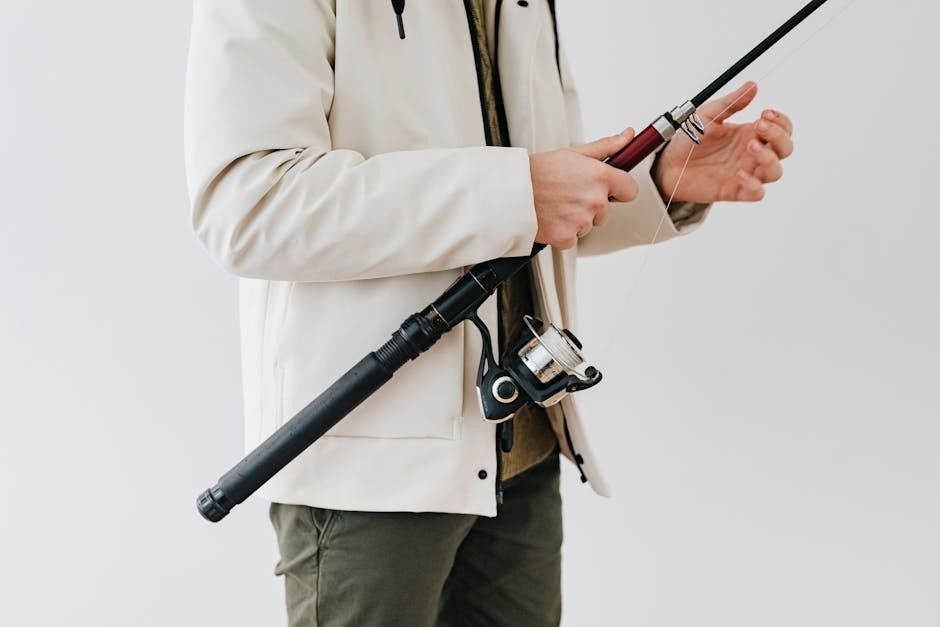
Circle hooks are almost exclusively used for billfish, ensuring a secure hookset in the corner of the mouth. When trolling, the hook size must match the bait size; larger baits necessitate larger hooks. Heavy leaders and robust tackle are crucial when targeting these species, complementing the strength of the chosen hook size.
Factors Influencing Hook Size Selection
Selecting the right hook involves considering bait size, fish species’ mouth, and water clarity; these elements impact hookset success and presentation effectiveness.
Bait Size & Type
Matching hook size to bait is crucial for effective fishing. Larger baits, like chunks of cut fish or sizable worms, necessitate larger hooks to accommodate their volume and ensure a secure hold. Conversely, smaller baits, such as insect larvae or tiny minnows, require smaller hooks to maintain a natural presentation and prevent the bait from overpowering the hook.
The type of bait also influences hook selection. Soft baits often work well with wider gap hooks, providing a better grip, while live baits may benefit from thinner, sharper hooks to minimize injury to the bait and maximize its liveliness. Considering the bait’s texture and how it will be rigged is paramount for optimal hook performance and increased chances of a successful catch.
Fish Species & Mouth Size
Target species dictate appropriate hook sizes; a fundamental principle of angling. Fish with larger mouths, like bass or pike, require larger, stronger hooks capable of handling their power and preventing bending or breakage during the fight. Conversely, species with smaller mouths, such as panfish or trout, demand smaller, more delicate hooks to ensure a clean hookset without causing excessive damage.
Understanding the anatomy of your target fish is key. A hook that’s too large may not fully penetrate the mouth, leading to lost fish, while a hook that’s too small might not provide a secure hold. Researching the typical mouth size of the species you’re pursuing will significantly improve your hook selection and overall fishing success.
Water Clarity & Conditions
Water clarity profoundly impacts hook size selection. In clear water, fish are more easily spooked and possess heightened visual acuity. Therefore, utilizing smaller hooks with less visible wire diameters is crucial to minimize detection and encourage strikes. Conversely, in murky or stained water, larger hooks with brighter finishes can help fish locate the bait more easily.
Current and structure also play a role. Strong currents necessitate heavier hooks to maintain bait position, while fishing around heavy cover demands stronger hooks to withstand snags and powerful fish. Adjusting hook size based on prevailing conditions demonstrates adaptability and increases your chances of landing a catch.
Decoding Hook Size Charts (Actual Sizes)
Hook size charts often display nominal sizes, but actual dimensions vary between manufacturers; converting to millimeters or inches provides a precise understanding of hook geometry.
Converting Hook Sizes to Millimeters/Inches
Understanding the correlation between hook size numbers/oughts and their actual measurements in millimeters (mm) or inches is crucial for precise bait rigging and matching hooks to fish mouths. Hook size charts frequently present nominal sizes, which can differ slightly between brands due to manufacturing variations.
For instance, a size 6 hook isn’t universally 6mm; it’s essential to consult specific brand charts for accurate dimensions. Generally, larger numbers indicate smaller hooks (e.g., size 1 is larger than size 6). ‘Ought’ sizes (represented as 0, 1/0, 2/0, etc.) increase in size as the number increases – 1/0 is smaller than 2/0. Converting to metric or imperial units allows anglers to visualize the hook’s gap and shank length, aiding in selecting the optimal size for various baits and target species. Online resources and downloadable PDFs often provide detailed conversion tables.
Understanding Hook Gap & Bend
The hook gap – the distance between the shank and the point – is paramount for successful hooksets, influencing how readily the hook penetrates the fish’s mouth. A wider gap facilitates better penetration, especially with thicker baits or when targeting fish with hard mouths. Conversely, the hook bend dictates the hook’s strength and shape.
Different bend styles (e.g., circle, J, offset) affect hooking mechanics and are suited for specific techniques. A pronounced bend provides greater strength, while a subtle bend offers a more natural presentation. Examining hook charts often reveals gap and bend measurements, aiding in informed selection. Considering these features alongside size ensures optimal performance and maximizes hooking ratios, ultimately enhancing your fishing success.
Hook Materials & Their Impact on Size
Hook material significantly influences strength and flexibility; high-carbon steel offers excellent sharpness, while stainless steel provides corrosion resistance, impacting overall hook dimensions.
High-Carbon Steel Hooks
High-carbon steel hooks are a prevalent choice among anglers due to their exceptional strength and remarkably sharp points. The manufacturing process involves a higher carbon content, resulting in increased hardness and the ability to maintain a keen edge after repeated use and potential impacts with rocks or submerged structures;
This material allows for thinner wire diameters while retaining impressive tensile strength, meaning you can achieve a smaller hook profile for more subtle presentations without sacrificing holding power. However, high-carbon steel is susceptible to corrosion, particularly in saltwater environments, necessitating careful rinsing and drying after each use or the application of a protective coating. Selecting the correct size within this material type remains crucial, referencing reliable hook size charts to match the hook to the intended bait and target species.

Stainless Steel Hooks
Stainless steel hooks offer superior corrosion resistance, making them an excellent option for saltwater fishing or environments where prolonged exposure to water is unavoidable. While not typically as exceptionally sharp as high-carbon steel hooks straight from the package, stainless steel maintains its sharpness for a longer duration due to its resistance to rust and degradation.
This durability comes with a slight trade-off: stainless steel tends to be a bit heavier and less flexible than high-carbon steel, potentially impacting sensitivity and penetration. Despite this, advancements in stainless steel alloys have narrowed the gap in performance. When selecting stainless steel hooks, consulting a comprehensive hook size chart is still vital to ensure proper bait presentation and a secure hookset, considering the specific fish species and fishing conditions.
Circle Hooks vs. J-Hooks – Size Considerations
Circle hooks and J-hooks differ significantly in design, impacting size selection. Circle hooks, designed to hook fish in the corner of the mouth during the retrieve, often require a slightly larger size compared to J-hooks for the same bait and target species. This is because the curved shape necessitates a wider gap to accommodate the fish’s mouth.
J-hooks, with their traditional straight shank and sharp point, rely on a direct hookset. When using a hook size chart, remember that circle hook sizes aren’t directly comparable to J-hook sizes. Always consider the fishing technique – circle hooks excel in situations where anglers allow the fish to run with the bait, while J-hooks are better suited for active jigging or setting the hook immediately.
Finding & Downloading Fishing Hook Size Charts (PDF)
Numerous online resources offer downloadable fishing hook size charts in PDF format, providing convenient access for planning and reference during fishing trips.
Reliable Online Resources for Hook Size Charts
Several websites consistently provide accurate and comprehensive fishing hook size charts readily available for download as PDFs; Rapala, a well-known tackle manufacturer, offers detailed charts categorized by species, aiding anglers in precise hook selection. Similarly, Mustad, a leading hook producer, features charts showcasing their hook ranges and corresponding sizes for various fishing applications.
Saltwater Fishing Forums and dedicated angling websites often host user-contributed charts and discussions, offering practical insights from experienced fishermen. Local fishing authorities or state wildlife agencies may also provide species-specific hook size regulations and recommended charts. Remember to verify the chart’s source and ensure it aligns with your target species and fishing location for optimal results and compliance with local laws.
Printing & Saving Hook Size Charts for Field Use
Downloading hook size charts as PDFs allows for convenient access even without an internet connection, crucial during remote fishing trips. Printing these charts on waterproof paper or laminating them ensures durability against the elements, protecting them from rain, splashes, and general wear and tear.
Saving digital copies to your smartphone or tablet provides a readily available reference on the water. Consider creating a dedicated folder for fishing resources to maintain organization. Regularly updating your charts ensures you have the latest information, especially regarding species-specific regulations. A physical, laminated copy serves as a reliable backup, guaranteeing access to vital information regardless of technological issues.