
Wolf Pack Leadership: A Comprehensive Guide (Updated 12/26/2025)
Contemporary understanding shifts from rigid dominance to parental guidance within wolf families, emphasizing cooperation and familial bonds for successful survival strategies.
Understanding the Modern Wolf Pack
Historically, the perception of wolf packs centered on a strict, linear hierarchy dominated by an “alpha” pair asserting control through aggression. However, current research paints a dramatically different picture. Modern wolf packs are now understood as intricate family units, where leadership isn’t about dominance, but rather parental responsibility.
The “lead wolves” – formerly termed “alpha” – primarily guide and nurture their offspring, much like human parents. This dynamic fosters cooperation and cohesion, essential for hunting, raising pups, and defending territory. Pack size typically ranges from two to twenty wolves, with an average of six to fifteen individuals, all contributing to the collective well-being. Understanding this shift is crucial for appreciating the complex social structure of these fascinating creatures and dispelling outdated myths surrounding their leadership.
The Shift from Rigid Hierarchy to Family Unit
The long-held belief in a rigid wolf hierarchy, fueled by early observations of captive wolves, has been largely debunked. These studies misrepresented natural pack dynamics, portraying a constant struggle for dominance. Contemporary research reveals that wild wolf packs function primarily as extended families. The “lead wolves” are typically the breeding pair – the parents – and their leadership stems from experience and responsibility, not brute force.
This parental model prioritizes the well-being of the pack, particularly the pups. Offspring contribute to the family unit as they mature, assisting with hunting and pup-rearing. This cooperative structure fosters stronger bonds and greater success in navigating the challenges of the wild. The shift in understanding emphasizes the importance of familial relationships in wolf society, moving away from the outdated “alpha” narrative.
Debunking the “Alpha” Myth
The concept of the “alpha wolf,” popularized by outdated research on captive animals, presents a misleading view of wolf social structure. Early studies, observing unrelated wolves in artificial environments, incorrectly suggested a constant power struggle for the top position. This led to the belief in an aggressive, dominant “alpha” pair controlling the pack through force. However, modern research on wild wolf packs demonstrates a fundamentally different dynamic.
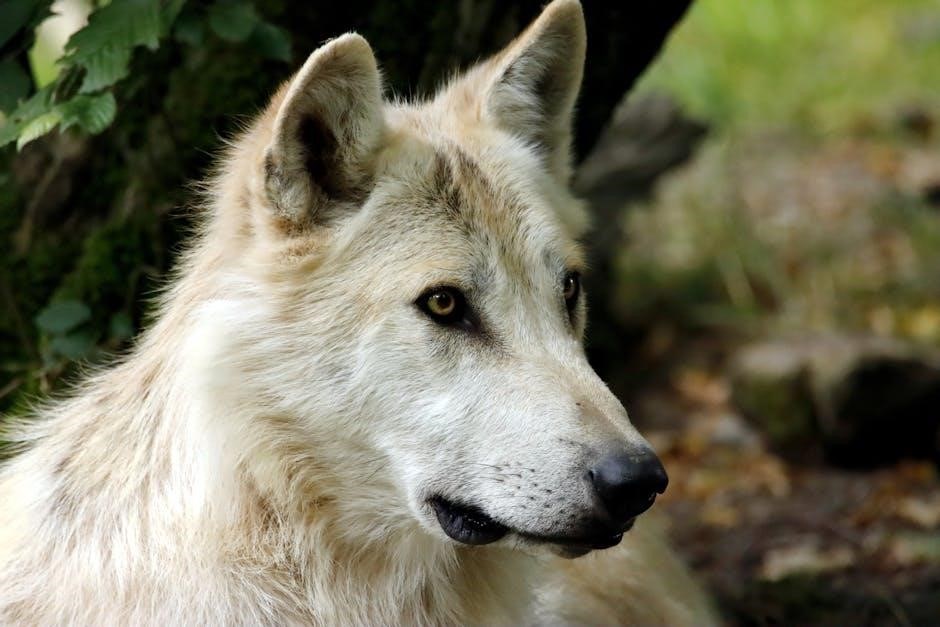
Wild wolf packs are typically family units, with the breeding pair naturally assuming leadership roles based on experience and parental responsibility. There isn’t a continuous fight for dominance; instead, leadership is earned through guidance and care for the pack. The “alpha” myth perpetuates a harmful misunderstanding of wolf behavior and has even influenced misguided dog training methods.
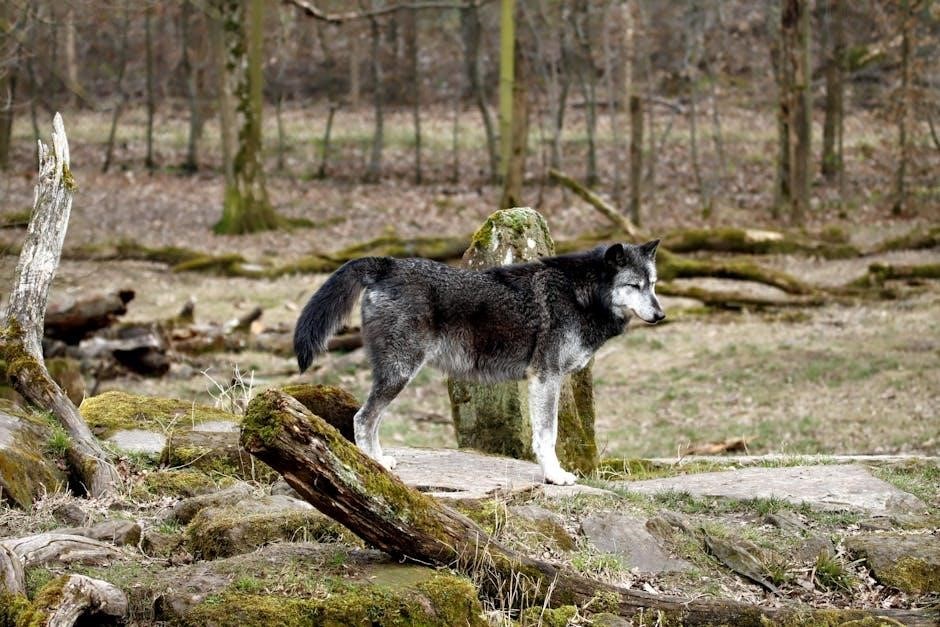
Key Roles Within the Wolf Pack
Each wolf contributes uniquely to pack success, from parental guidance of the breeding pair to yearlings learning vital survival skills and pup protection.
The Breeding Pair: Parental Leadership
The breeding pair, often formerly termed the “alpha” wolves, now understood as the parents, embody the core of the wolf pack’s social structure. Their leadership isn’t based on aggression, but on experience, and crucially, their role as progenitors of future generations. They guide the pack through crucial decisions, like hunting grounds and migration routes, leveraging accumulated knowledge.
Parental duties are paramount; they prioritize the safety and well-being of their pups, ensuring their survival through diligent care and protection. This extends to teaching essential hunting techniques and social etiquette. Their influence isn’t absolute control, but rather a guiding hand, fostering cooperation and cohesion within the family unit. This dynamic ensures the pack’s continued success and stability, shifting the focus from dominance to responsible stewardship.
Adult Offspring: Contributing Members
Adult offspring represent a vital component of the wolf pack’s functionality, transitioning from dependent pups to active contributors. They aren’t challenging for dominance, but rather supporting the breeding pair and assisting in essential pack activities. Their contributions are diverse, ranging from aiding in hunts and defending territory to participating in pup-rearing and providing additional protection.
These wolves gain valuable experience, honing their skills and strengthening their bonds with the pack. Their presence alleviates pressure on the breeding pair, allowing them to focus on reproduction and long-term strategic planning. This collaborative dynamic exemplifies the pack’s strength, demonstrating a unified front against external threats and ensuring the continued prosperity of the family unit. They embody the future of the pack, learning and growing within its structure.
Yearlings: Learning and Development
Yearling wolves, typically around one year old, occupy a crucial developmental stage within the pack structure. This period is characterized by intensive learning and refinement of skills essential for adult pack life. They actively participate in hunts, initially observing and then gradually taking on more responsibility, guided by experienced adult members.
Yearlings also engage in playful interactions, which serve as vital practice for future social dynamics and conflict resolution. They are still somewhat dependent on the pack for sustenance but are increasingly independent, exploring boundaries and testing their abilities. This phase is critical for establishing their place within the hierarchy and preparing them to become fully contributing members of the wolf family, ensuring the pack’s continued success.
Pups: Dependent and Protected
Wolf pups, the youngest members of the pack, represent the future and are entirely reliant on their parents and other adult wolves for survival. During their initial months, pups remain close to the den, receiving constant care, nourishment, and protection from potential threats. The entire pack contributes to their well-being, with various adults taking turns guarding and providing food.
Pups begin to explore their surroundings under supervision, gradually developing their physical and social skills through play and observation. This early period is crucial for establishing strong bonds with pack members and learning the essential rules of pack behavior. Their vulnerability necessitates constant vigilance and cooperative care, ensuring the continuation of the wolf family’s lineage and strength.
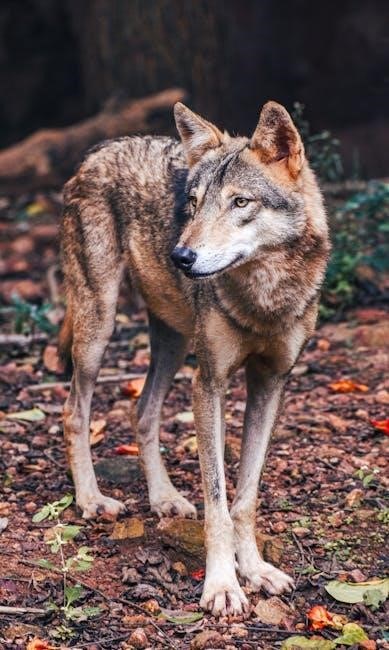
Detailed Breakdown of Wolf Pack Ranks
Pack ranks aren’t strict linear hierarchies; instead, they represent diverse roles within a family unit, ensuring cooperation and stability for collective survival efforts.
The Lead Wolves (Formerly “Alpha”)
Lead wolves, previously termed “alpha,” now represent the breeding pair—the parents of the pack—guiding their offspring rather than ruling through aggression. Their primary responsibility centers on reproductive success and ensuring the survival of the family unit. Effective lead wolves demonstrate experience, wisdom, and strong decision-making skills, navigating challenges like hunting and territorial defense.

They don’t maintain dominance via force, but through experience and initiating movements, with other pack members voluntarily following. Characteristics include calm assurance, attentiveness to pack needs, and the ability to resolve conflicts peacefully. This parental leadership fosters cohesion and cooperation, vital for the pack’s overall well-being and long-term prosperity in the wild.
Responsibilities of the Lead Wolves
The lead wolves’ core responsibilities revolve around reproduction, raising pups, and guiding the pack towards sustainable resources. They initiate and direct hunts, strategically choosing prey and coordinating efforts for success. Maintaining and defending the territory falls to them, including marking boundaries and responding to intrusions from rival packs.
Crucially, they mediate internal conflicts, ensuring pack cohesion and preventing disruptive power struggles. They also make critical decisions regarding movement, den selection, and responding to environmental changes. These aren’t commands issued through force, but rather experienced guidance that the pack generally follows, demonstrating a family-based dynamic rather than a strict hierarchy.
Characteristics of Effective Lead Wolves
Effective lead wolves demonstrate exceptional hunting prowess and possess a deep understanding of the territory, including prey migration patterns and potential dangers. They exhibit strong social skills, adept at mediating disputes and fostering cooperation within the pack. Calmness under pressure is vital, allowing for rational decision-making during hunts or territorial defense.
Experience plays a key role; seasoned lead wolves have learned from past successes and failures. They aren’t necessarily the strongest physically, but rather the most capable of assessing situations and guiding the pack accordingly. A willingness to share knowledge and mentor younger members is also crucial, ensuring the continuation of successful strategies and pack stability.
Beta Wolves: Second-in-Command
Beta wolves function as vital support to the lead wolves, playing a crucial role in maintaining order and cohesion within the pack. They often act as enforcers, mediating conflicts between pack members and ensuring adherence to established boundaries. A strong beta is capable of independent decision-making, particularly during hunts or when the lead wolves are occupied.
Succession planning is a key aspect of the beta’s role; they are often the most likely candidate to assume leadership should the lead wolves become unable to fulfill their duties. This requires demonstrating responsibility, competence, and the ability to command respect from other pack members. The beta’s loyalty and reliability are paramount to pack stability.
The Beta’s Role in Maintaining Order
The beta wolf’s primary function centers around upholding the established social structure and ensuring smooth pack operations. This involves actively monitoring interactions, swiftly intervening in disputes, and reinforcing the decisions made by the lead wolves. They serve as a crucial link between the leadership and the rest of the pack, effectively communicating expectations and addressing concerns.
Beyond conflict resolution, betas contribute to order by participating in cooperative activities like hunting and territorial defense. Their presence provides reassurance and encourages cooperation among pack members. A confident and assertive beta minimizes internal strife, allowing the pack to function as a unified and efficient unit, ultimately bolstering their survival chances.
Succession Planning and Beta Potential
The beta wolf often represents the most likely successor to the lead position, making their development and observation crucial for long-term pack stability. Lead wolves implicitly assess beta potential, evaluating traits like maturity, experience, and demonstrated leadership qualities during cooperative endeavors. A successful transition relies on a beta’s ability to command respect and maintain order without inciting challenges.
However, succession isn’t automatic. The lead pair’s offspring may also contend for leadership, creating a dynamic where the beta must consistently prove their capabilities. This assessment isn’t about brute force, but rather a nuanced understanding of pack dynamics and the ability to foster cooperation. A strong beta prepares for potential leadership through consistent, responsible behavior.
Omega Wolves: The Role of the Lowest Ranking Member
The omega wolf, often misunderstood, isn’t simply an outcast but fulfills vital functions within the pack structure. Serving as a social safety valve, the omega receives displacement behaviors – submissive gestures or minor aggression – that diffuse tension and prevent conflicts from escalating amongst higher-ranking members. This role is crucial for maintaining overall pack cohesion and stability.
While subjected to occasional displacement, omegas aren’t constantly bullied. Their presence allows other wolves to reinforce their social standing without serious confrontations. They may also contribute by alerting the pack to potential dangers, acting as an early warning system. The omega’s role, though seemingly subordinate, is integral to the pack’s harmonious functioning.
Functions of the Omega Wolf within the Pack
The omega wolf’s primary function centers around stress reduction for the entire pack. By accepting subordinate status and receiving displaced aggression, they prevent more damaging conflicts between dominant individuals. This seemingly passive role actively maintains social harmony and minimizes the risk of serious injury within the group. They essentially act as a designated recipient for low-level tensions.
Beyond tension diffusion, omegas can contribute to vigilance, often positioned on the periphery, providing an early warning system for approaching threats. While last to eat, they ensure all pack members have had their fill. Their presence reinforces the social hierarchy, clarifying roles and expectations for all wolves, contributing to a stable and predictable pack dynamic;
Social Dynamics Surrounding the Omega

The omega’s social position is complex, often involving a degree of tolerated harassment from other pack members. This isn’t necessarily malicious, but rather a reinforcement of the established hierarchy. However, excessive or harmful bullying is typically discouraged by the lead wolves, who maintain overall pack cohesion. The omega isn’t entirely ostracized; they participate in communal activities like hunting, though often in a supportive, rather than leading, role.
Interestingly, omegas can sometimes shift positions within the pack, particularly if a higher-ranking wolf departs or weakens. This demonstrates the fluidity of wolf social structures. Their role isn’t fixed, and opportunities for advancement, though rare, do exist, showcasing a dynamic rather than static hierarchy.
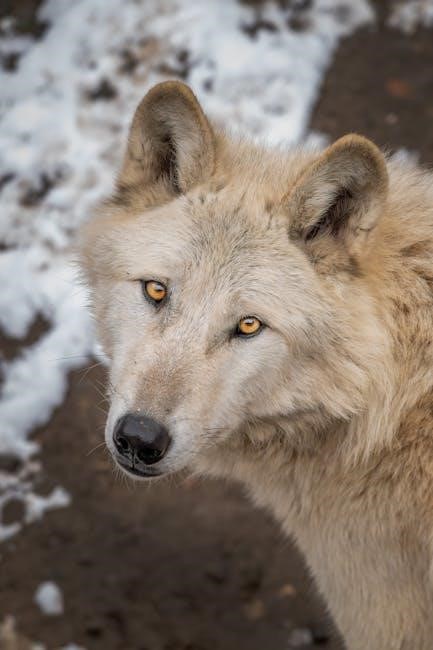
Factors Influencing Pack Hierarchy
Age, experience, hunting skills, and social competence all contribute to a wolf’s standing; physical strength plays a role, but isn’t the sole determinant.
Age and Experience
Older wolves consistently demonstrate a significant influence within the pack’s social structure, largely due to accumulated experience navigating complex challenges. This isn’t simply about longevity; it’s about the knowledge gained through years of successful hunts, territorial defense, and navigating social dynamics. Experienced wolves often possess superior hunting techniques, understanding prey behavior and optimal strategies for cooperative efforts.
Their wisdom extends to conflict resolution, knowing when to assert themselves and when to de-escalate tensions, contributing to overall pack stability. Younger wolves often defer to the judgment of their elders, recognizing the value of their proven track record. While physical prowess is important, the strategic insights derived from experience frequently outweigh brute strength in determining influence and respect within the wolf pack’s intricate social order.
Strength and Physical Condition
Physical capability remains a crucial factor, though not the sole determinant, of influence within a wolf pack. Wolves in prime condition – possessing robust muscle mass, stamina, and overall health – are better equipped to contribute to essential tasks like hunting large prey and defending territory. A wolf’s ability to successfully participate in these activities directly impacts the pack’s survival, earning them respect from other members.
However, strength isn’t merely about size; it’s about efficiency of movement, endurance, and the capacity to withstand injuries. While a physically imposing wolf might initially command attention, sustained leadership relies on consistent performance and the ability to maintain physical prowess over time. This physical contribution supports the pack’s well-being and reinforces a wolf’s standing within the social hierarchy.
Hunting Prowess and Contribution
Successful hunting is paramount to a wolf pack’s survival, making hunting skill a significant factor in establishing respect and influence. Wolves consistently bringing down prey, particularly larger game, demonstrate a valuable contribution to the pack’s sustenance. This isn’t solely about individual skill; it’s about cooperative hunting strategies and the ability to effectively coordinate with other pack members.
A wolf’s contribution extends beyond simply killing prey. It includes scouting, tracking, ambushing, and defending the kill from scavengers. Those who excel in these areas, consistently providing for the pack, naturally gain a higher standing. This consistent contribution solidifies their role and demonstrates a commitment to the collective well-being, fostering trust and respect within the pack structure.
Social Skills and Conflict Resolution
Effective leadership within a wolf pack isn’t solely about physical dominance; it heavily relies on sophisticated social skills and the ability to navigate complex relationships. Wolves who can de-escalate tensions, mediate disputes, and maintain pack cohesion are highly valued. This involves recognizing subtle cues in body language and vocalizations, understanding individual personalities, and responding appropriately to maintain harmony.
Conflict is inevitable in any social group, but skilled wolves minimize disruption by resolving disagreements peacefully. They achieve this through calming signals, appeasement behaviors, and a measured response to challenges. A leader’s ability to foster a sense of unity and prevent prolonged conflict is crucial for the pack’s overall stability and hunting success, demonstrating emotional intelligence.
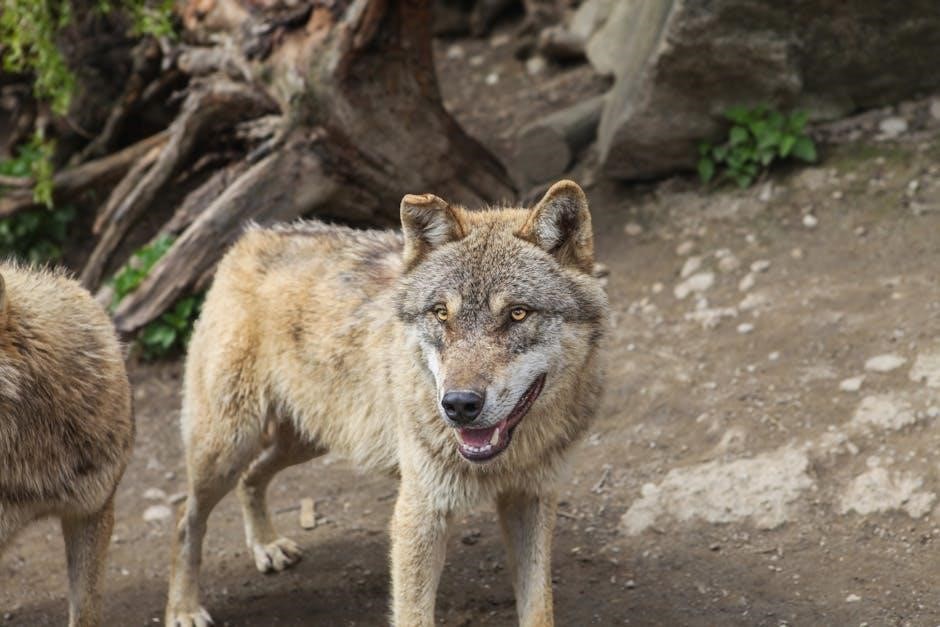
How Wolf Packs Establish and Maintain Order
Communication, cooperative hunting, and territorial marking are vital for establishing and upholding order within the pack, ensuring collective survival and stability.
Communication Methods: Vocalizations and Body Language
Wolves employ a rich repertoire of communication methods, extending far beyond simple howls. Vocalizations, including growls, barks, whines, and yelps, convey a spectrum of emotions and intentions, from warnings and greetings to expressions of affection and distress. However, body language forms the cornerstone of their interactions.
Subtle shifts in posture, facial expressions – particularly ear and tail positions – and direct eye contact communicate dominance, submission, or playfulness. A dominant wolf might stand tall and stiff, while a submissive one lowers its body and avoids eye contact. These non-verbal cues are crucial for maintaining social cohesion and preventing unnecessary conflict within the pack. Effective leaders keenly observe and respond to these signals, ensuring harmonious relationships and coordinated action.
Cooperative Hunting Strategies
Wolf packs demonstrate remarkable efficiency in hunting, relying on intricate cooperative strategies honed over generations. Unlike solitary predators, wolves work together to pursue and bring down prey significantly larger than themselves, like elk or moose. The lead wolves often initiate and direct hunts, utilizing strategic positioning and coordinated movements.
These strategies involve flanking maneuvers, relay chasing, and ambushes, maximizing their chances of success. Communication during the hunt is vital, employing vocalizations and body language to signal changes in tactics or target focus. Successful hunts aren’t solely about physical prowess; they’re a testament to the pack’s ability to function as a unified team, demonstrating the importance of leadership in orchestrating these complex operations for survival.
Territorial Defense and Boundary Marking
Wolf packs are fiercely protective of their territories, essential for securing sufficient resources and ensuring the pack’s survival; Lead wolves play a crucial role in defending these boundaries against rival packs, employing a combination of vocal displays, scent marking, and, if necessary, direct confrontation. Territories are established and maintained through consistent boundary marking.
This involves urine marking, scat deposition, and scratching on prominent features like trees and rocks, communicating ownership to other wolves. These signals serve as warnings, minimizing direct conflict. Successful territorial defense isn’t always about aggressive encounters; it’s about effectively communicating the pack’s presence and strength, solidifying their claim to vital hunting grounds and denning sites, guided by strong leadership.
The Importance of Pack Cohesion
Strong social structures enhance hunting success, pup rearing, and territorial defense, while disruptions threaten stability; play strengthens bonds within the wolf family unit.
Benefits of a Strong Social Structure
A cohesive wolf pack demonstrates remarkable advantages in navigating the challenges of wilderness survival. Cooperative hunting, a cornerstone of their success, becomes significantly more efficient with coordinated strategies and shared effort, yielding larger prey and increased sustenance for all members.
Furthermore, a strong social framework provides enhanced protection against rival packs and potential dangers within their territory. Collective defense mechanisms, coupled with vigilant boundary marking, safeguard resources and ensure the safety of vulnerable individuals, particularly pups.

Effective communication, through vocalizations and body language, fosters trust and minimizes internal conflict, strengthening the pack’s overall resilience. This intricate social dynamic isn’t about rigid dominance, but rather a collaborative effort driven by familial bonds and shared goals, ultimately maximizing their chances of thriving in a demanding environment.
Impact of Disruption on Pack Stability
Disruptions to a wolf pack’s established social order can trigger cascading consequences, severely impacting its stability and survival prospects. The loss of lead wolves, often through human intervention or natural causes, creates a power vacuum and initiates intense competition for leadership, potentially fracturing the group.
Internal conflicts, stemming from challenges to the hierarchy, divert energy from essential activities like hunting and pup rearing, diminishing overall pack health. External pressures, such as habitat loss or dwindling prey populations, exacerbate these vulnerabilities, increasing stress and the likelihood of dispersal.
A weakened social structure compromises cooperative efforts, making the pack more susceptible to predation and territorial encroachment. Ultimately, significant disruption can lead to pack dissolution, reduced reproductive success, and a decline in the overall population, highlighting the critical importance of maintaining social cohesion.
The Role of Play in Strengthening Bonds
Play isn’t frivolous for wolf packs; it’s a crucial mechanism for reinforcing social bonds and maintaining pack cohesion. Engaging in playful interactions, like chasing, wrestling, and mock fighting, helps establish and negotiate dominance hierarchies in a low-stakes environment, reducing the potential for serious conflict.
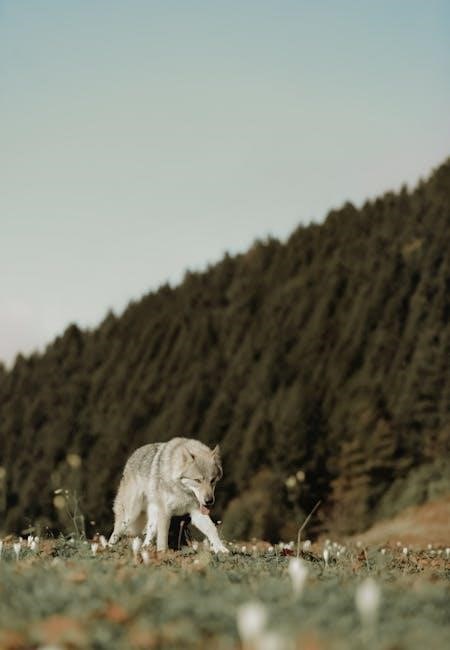
These activities foster trust and cooperation among pack members, strengthening their ability to work together during hunts and territorial defense. Playful behavior is particularly important for young wolves, aiding in their social development and teaching them essential skills.
It also serves as a stress reliever and promotes a positive emotional climate within the pack, contributing to overall stability and resilience. Regular play reinforces the pack’s identity and strengthens the bonds that hold it together.